



PHOENIX, Arizona — The annual North American monsoon is bringing much-needed moisture to the western United States, offering relief to drought-stressed communities while also increasing the threat of dangerous weather, including flash flooding, wildfire-starting lightning and powerful dust storms.
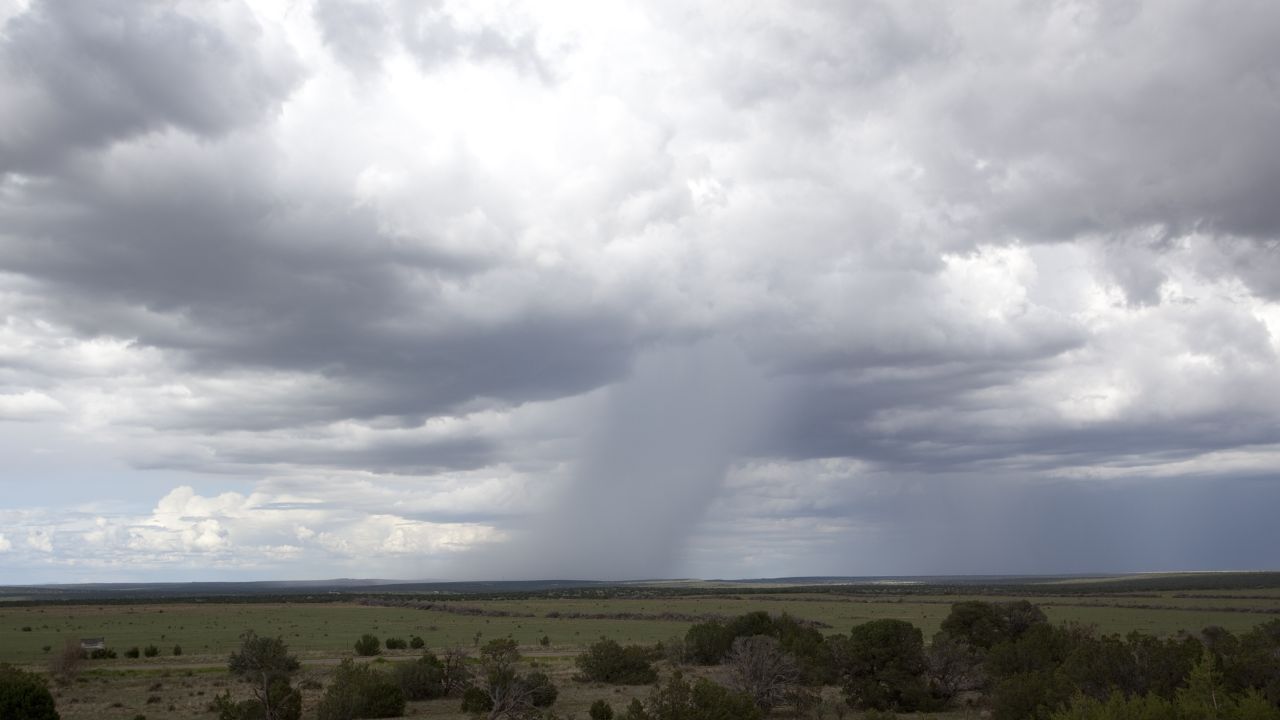
Meteorologists say the seasonal weather pattern, which typically strengthens during July and August, will produce daily rounds of thunderstorms across much of the Interior West. While the rainfall is expected to benefit rivers, reservoirs and vegetation, officials are urging residents and outdoor enthusiasts to prepare for rapidly changing conditions.
Monsoon Brings Rain and Dangerous Storms
During the summer, shifting wind patterns pull moisture northward from the tropical Pacific Ocean and the Gulf of America, creating humid conditions that fuel afternoon and evening thunderstorms across the Southwest.
This year’s monsoon is especially significant after much of the region experienced below-average snowfall last winter, leaving reservoirs and waterways with limited spring runoff. Forecasters expect thunderstorms to continue across the Interior West through the remainder of July, although rainfall amounts will vary from one location to another.
Flash Flooding and Wildfire Risks Increase
Despite the welcome rainfall, meteorologists warn the monsoon also creates several weather hazards.
Early-season storms often produce dry lightning capable of igniting wildfires before heavier rain reaches the ground. Strong wind gusts can also generate large dust storms that reduce visibility and create dangerous driving conditions.
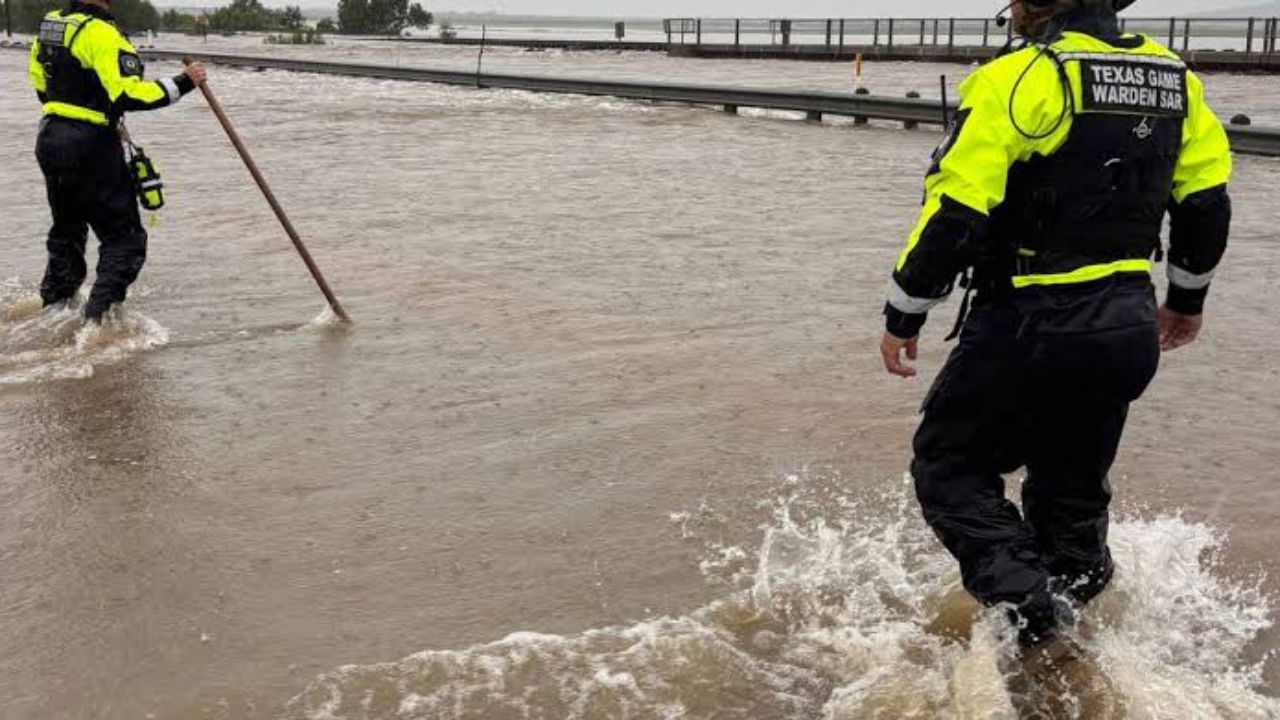
In areas where thunderstorms repeatedly move over the same location, intense rainfall can quickly overwhelm dry, rocky terrain, leading to flash flooding and debris flows.
“Downpours can temporarily boost water levels in rivers, lakes and reservoirs,” said AccuWeather Lead Long-Range Meteorologist Paul Pastelok. “The problem with the monsoon-based thunderstorms is that the rainfall is sporadic and often may not occur on a daily basis.“
Outdoor Safety Remains a Priority
Weather experts are encouraging hikers, campers and travelers to remain alert as thunderstorms can develop rapidly during the afternoon.
Dry streambeds can quickly turn into fast-moving floodwaters even when skies appear clear nearby. Officials recommend leaving mountain ridges before storms develop and avoiding flooded roads or washes, where water levels can rise within minutes.
Motorists are also urged to slow down during dust storms, which can dramatically reduce visibility.
Monsoon Won’t End Long-Term Water Shortages
While the seasonal rains provide temporary relief, experts say they are unlikely to solve the West’s ongoing water crisis.
“Winter storms are the real workhorses for replenishing reservoirs over the long term,” Pastelok said. “We have hopes that the strong El Niño heading into the winter will do its job and bring the big storms with heavy mountain snow that later melts and runs off.“
However, forecasters caution there is no guarantee that El Niño will deliver enough snowfall to ease drought conditions across the Colorado River Basin.
Colorado River Reservoirs Remain Critically Low
According to AccuWeather Expert Meteorologist Ken Clark, major reservoirs continue to face historically low water levels despite recent rainfall.
“Lake Powell and Lake Mead remain near historically low levels,” Clark said. “As of Monday, Mead was at the fourth lowest reading since being filled and around 2 feet away from the all-time low level recorded in 2022.“
Experts warn that another dry winter could further strain water supplies and even reduce hydroelectric power generation at dams along the Colorado River, affecting millions of people across the Southwest.
As the monsoon season continues, officials are encouraging residents to enjoy the benefits of the rain while remaining prepared for dangerous thunderstorms, flash flooding and rapidly changing weather conditions.
What are your thoughts on this year’s North American monsoon? Do you think the West needs more long-term water management solutions beyond seasonal rainfall? Share your thoughts respectfully in the comments below.