



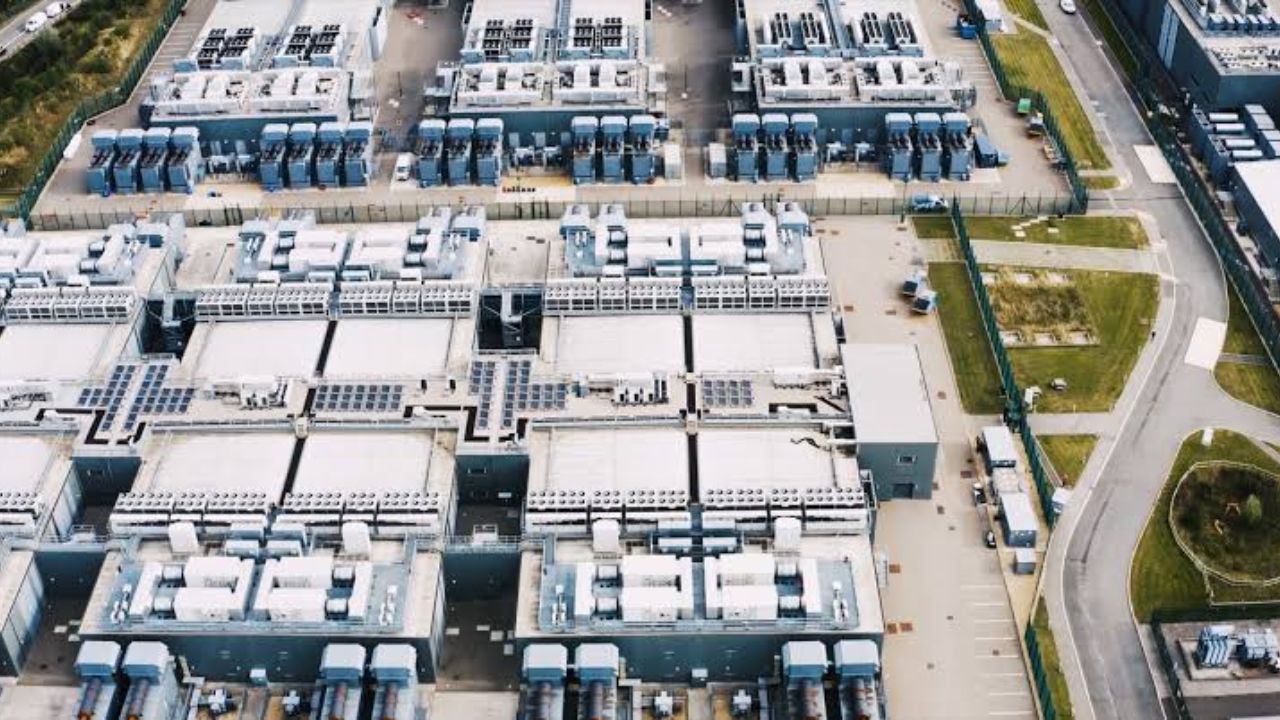
SALINE TOWNSHIP, Mich. — A proposed $16 billion artificial intelligence data center is moving forward in rural Michigan despite months of local opposition, highlighting the growing conflict between the rapid expansion of AI infrastructure and efforts to preserve farmland and local decision-making.
The project, known as “The Barn,” would span more than 250 acres in Saline Township. While supporters argue large AI facilities can bring investment and economic growth, many residents say the development threatens the area’s rural character and raises concerns about water use, electricity demand, and environmental impacts.
Local Opposition Could Not Stop the Project
The controversy began after the Saline Township Board voted 4-1 in September to reject the proposed data center development.
However, according to The Roanoke Times, the developers and landowners filed a lawsuit just two days later. Facing the prospect of expensive litigation, township officials later reached a legal agreement that allowed construction to move forward.
The decision frustrated many residents who believed the community’s vote should have been respected.
“Most people aren’t interested in some massive development here,” local organizer Tammie Bruneau said. “They’re interested in protecting the farmland.”
Residents Raise Environmental Concerns
As AI technology continues to expand, companies are building increasingly larger data centers filled with servers, cooling systems and electrical equipment that require enormous amounts of energy.
Residents opposing the Michigan project argue that facilities of this size could permanently change the area’s landscape by increasing traffic, noise, water consumption and pressure on the local power grid.
Experts also note that AI data centers require significant electricity and water to operate, raising concerns about long-term sustainability, especially in rural communities where infrastructure may be more limited.
AI Boom Creates New Challenges for Communities
The Saline Township dispute reflects a broader national debate over where AI infrastructure should be built and who should decide.
Supporters say large data centers can create jobs, attract investment and strengthen the country’s position in the global AI race. Critics, however, argue that local communities often bear the environmental and financial impacts while having limited influence over major development decisions.
According to The Roanoke Times, opponents have continued challenging the project through the courts even after construction received approval.
“We really just didn’t think it was fair that our board got forced into this position,” Bruneau said. “We’ve met people from extreme right and left, and all the way in the middle.”
Calls for Greater Oversight
Policy experts say future AI developments could face greater scrutiny over electricity demand, water management, tax incentives and the number of permanent jobs they create.
Some lawmakers and community advocates are calling for stricter efficiency standards, cleaner energy requirements and stronger community benefit agreements to ensure local residents are not left carrying the long-term costs of large-scale technology projects.
As AI infrastructure continues expanding across the United States, the dispute in Saline Township illustrates the growing challenge of balancing technological progress with environmental protection and local control.
What are your thoughts on large AI data centers being built in rural communities? Should local governments have the final say, or should projects with national economic importance move forward despite local opposition? Share your thoughts respectfully in the comments below.