




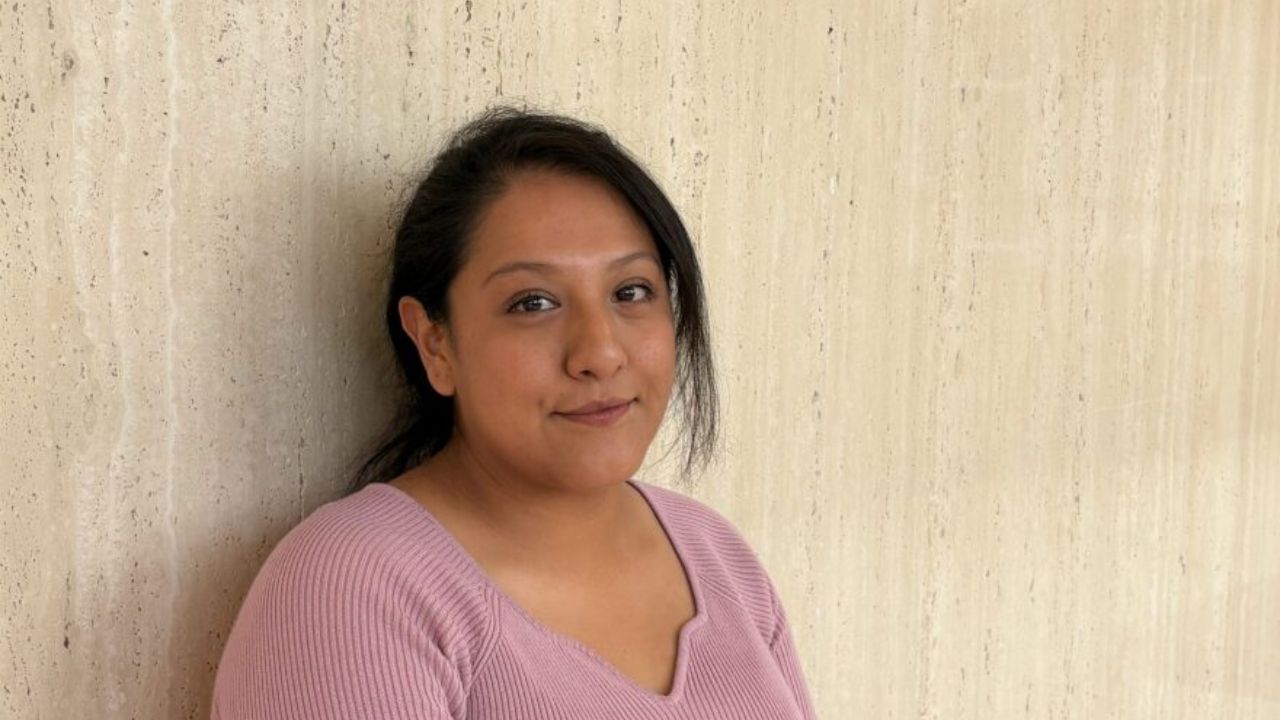
TOPEKA, Kansas — A Kansas single mother says she was stunned to discover hundreds of dollars missing from her paychecks after a nonprofit hospital began garnishing her wages over medical debt—despite her income falling well below the hospital’s eligibility threshold for free care.
Mariana Villegas, a 27-year-old McDonald’s employee raising two children, initially believed the missing money was the result of working fewer hours while caring for her sick daughter. But after another paycheck arrived significantly short, she learned that Stormont Vail Health had obtained a court judgment allowing it to collect a portion of her wages for an unpaid medical bill.
Hospital Allegedly Garnished Wages Over $2,200 Medical Debt
According to the Kansas Reflector, Stormont Vail Health sued Villegas over approximately $2,200 in medical debt, plus interest, stemming from emergency room treatment she received in 2024.
A default judgment reportedly allowed the hospital to garnish nearly 25% of her biweekly paycheck after she failed to appear in court hearings. Villegas says she never knew about the lawsuit because legal notices were mailed to her mother’s address after she had already moved.
“I thought I had just worked fewer hours,” Villegas said after noticing the first missing paycheck. It wasn’t until another deduction appeared that she realized something was wrong.
Income Qualified for Free Hospital Care
Court records cited in the report show Villegas earned approximately $14,500 annually, well below Stormont Vail’s financial assistance limit for free care.
At the time, the nonprofit hospital’s charity care program reportedly covered families of three earning less than 200% of the federal poverty level, a threshold of nearly $79,950 per year.
Despite qualifying financially, Villegas’ attorneys argued that she was never properly notified about the lawsuit or given a fair opportunity to seek financial assistance before her wages were garnished.
Judge Raises Questions About Collection Process
Villegas’ case also highlighted a broader issue involving medical debt lawsuits in Kansas.
According to court records, Stormont Vail filed more than 2,100 debt collection cases in Shawnee County during the same year, with most ending in default judgments after patients failed to respond.
Retired Judge Robert “Tuck” Duncan questioned whether some defendants had been properly notified.
“This is really important. I have thousands of these cases. Thousands,” Duncan said.
He also expressed concern about how legal notices were served, stating, “It merely says, ‘on this day, we tacked and mailed.'”
Settlement Brings Relief for Patients
Villegas was one of 11 patients represented by Kansas Legal Services, which alleged that eligible low-income patients were improperly pursued for medical debt.
The legal action resulted in nearly $162,000 in settlements, along with more than $7,000 in refunded wage garnishments across five Kansas counties.
Stormont Vail said it is reviewing its collection policies. Deputy General Counsel and Chief Compliance Officer Tim Shultz said, “Our goal is not to sue patients,” while adding that the hospital does not expect to eliminate collection actions that may include wage garnishment.
Healthcare affordability advocate Mark Rukavina described wage garnishment as “a pretty extreme act, especially for low-income people.”
Speaking about the financial hardship, Villegas said, “If I feel it, they feel it two times worse,” referring to the impact on her two children.
Kansas Legal Services Executive Director Matt Keenan emphasized the broader issue, saying, “Isn’t that who we need to fight for, people who are trying to get ahead?”
The settlement has prompted both Stormont Vail Health and the Shawnee County Sheriff’s Office to review their procedures. While the hospital maintains that financial assistance programs are available, advocates say the case underscores the importance of ensuring eligible patients receive proper notice and access to charity care before debt collection efforts begin.
What are your thoughts on medical debt collection practices? Should nonprofit hospitals face stricter rules before pursuing low-income patients over unpaid medical bills? Share your thoughts respectfully in the comments below.