




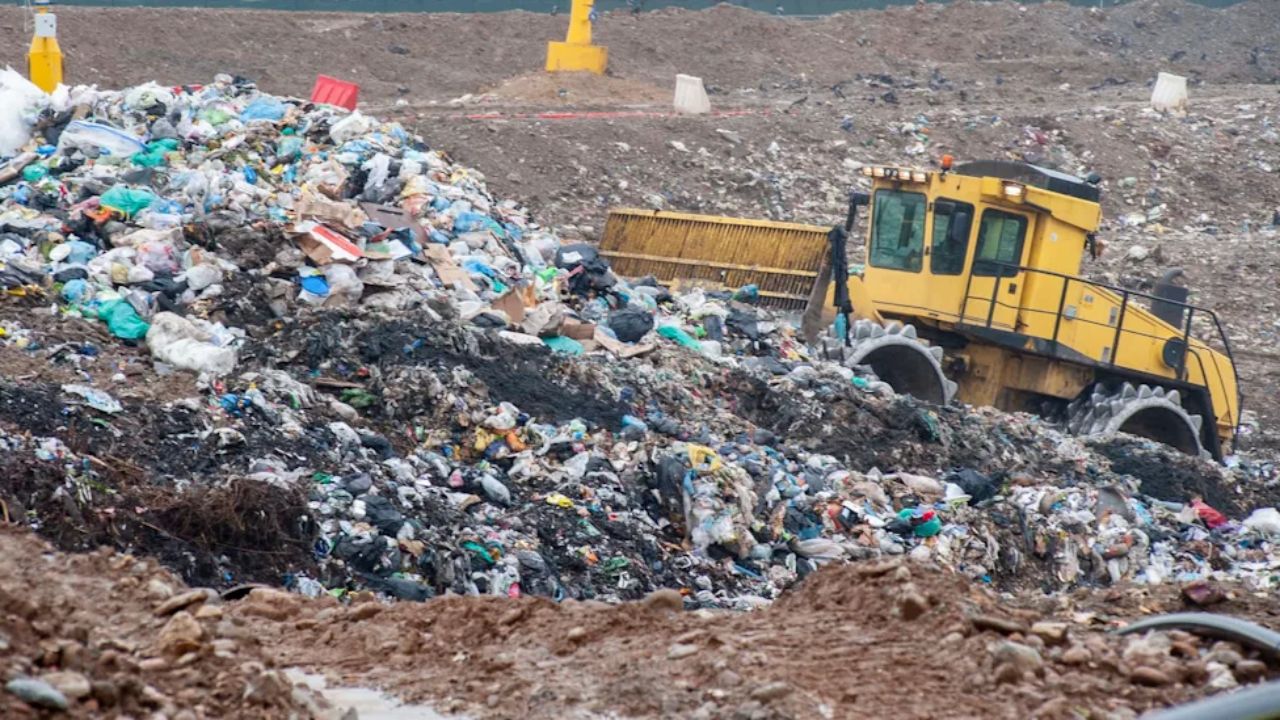
CORVALLIS, Ore. — A growing dispute is unfolding in Oregon as Republic Services faces criticism for refusing to answer key questions about operations at the Coffin Butte Landfill, including where its contaminated landfill liquid, commonly known as “garbage juice,” is being treated. Local officials say the lack of transparency is fueling concerns about environmental safety as the company continues its effort to expand the landfill.
The controversy comes months after Benton County denied Republic Services’ request to expand the 178-acre landfill following millions of dollars in state environmental penalties. County leaders are now demanding more information about the site’s operations, fire history, and remaining capacity.
County Officials Say Key Questions Went Unanswered
In May, Benton County submitted 13 questions seeking additional details about the landfill’s environmental practices. According to the Statesman Journal, Republic Services answered only a handful of them, arguing that many requests fell outside the reporting requirements of its franchise agreement.
Officials specifically sought information about where landfill leachate—the contaminated liquid produced as water filters through waste—is transported for treatment, how frequently fires occur at the site, and how much disposal capacity remains.
In a June 8 letter, Coffin Butte General Manager Bret Davis defended the company’s position, writing, “Over the years, the annual report has significantly expanded in scope beyond the environmental conditions of the landfill and beyond any agreement by the parties on other issues.”
Environmental Violations Intensify Concerns
The landfill has already been under increased scrutiny this year after the Oregon Department of Environmental Quality (DEQ) issued a $3 million penalty for 10 serious air-quality violations.
State regulators found that the landfill’s gas collection system was undersized, methane leak monitoring was not properly conducted, and the facility repeatedly operated without a functioning flare to burn off landfill gas.
Those findings played a major role in Benton County’s decision to reject Republic Services’ proposed expansion, although the company has appealed both the environmental penalty and the denial.
Why the Questions Matter
Environmental experts warn that landfills can release methane, a powerful greenhouse gas, while poorly managed leachate has the potential to contaminate water if not properly collected and treated.
County officials say obtaining accurate operational information is critical for protecting nearby communities, planning emergency responses, and evaluating future waste-management decisions.
The Coffin Butte Landfill currently accepts nearly one-third of Oregon’s municipal waste, including all of Polk County’s garbage and most waste generated in Marion County, making its operations significant for the region.
Expansion Fight Continues
County officials are continuing to push for greater transparency after identifying what they described as inconsistencies in the landfill’s 2024 annual report.
According to the Statesman Journal, the report listed both 10 years and 12.9 years of remaining landfill capacity on the same page. It also initially reported the same annual waste tonnage for both 2023 and 2024 before later correcting the 2024 figure to 1,042,113 tons, calling the earlier number a typographical error.
Meanwhile, Republic Services’ appeal of the DEQ enforcement action remains pending, while its proposal to expand the landfill continues moving through Oregon’s land-use appeals process.
What are your thoughts on companies withholding operational information from local governments? Should landfill operators be required to provide greater environmental transparency? Share your thoughts respectfully in the comments below.