




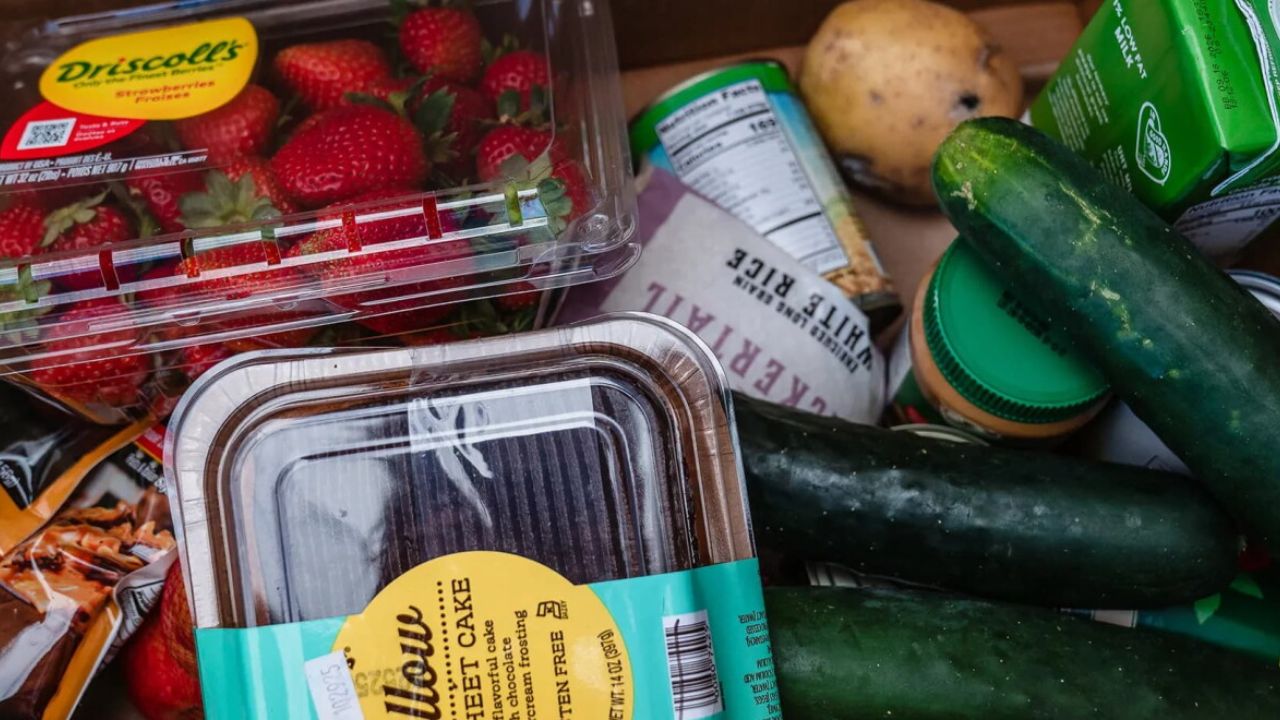
SACRAMENTO, Calif. — California shoppers could soon see higher grocery bills as new fees tied to the state’s sweeping plastic packaging law are scheduled to take effect next month, raising concerns that manufacturers will pass added costs on to consumers.
The fees are part of Senate Bill 54, also known as the Plastic Pollution Prevention and Packaging Producer Responsibility Act, a law designed to reduce single-use plastic waste and require all packaging sold in California to be recyclable or compostable by 2032. While supporters say the measure will help protect the environment, industry groups warn it could significantly increase the cost of everyday goods.
New Packaging Fees Set to Begin in August
Approved in 2022, SB 54 shifts the financial responsibility for packaging waste from taxpayers to the companies that produce it. Businesses using packaging that is difficult to recycle will face higher fees, while companies that meet the state’s recycling standards will pay less.
Although the preliminary fees are expected to begin in August, companies will not be required to fully comply with the law’s packaging standards until 2027, giving manufacturers several years to transition to more sustainable materials.
State officials say the early fees are intended to fund the rollout of California’s new recycling program.
State Estimates Higher Costs for Households
According to California’s implementation plan, the additional costs associated with the program could eventually be reflected in retail prices.
The state estimates the average household may spend between $66 and $190 more per year as producers adjust to the new requirements.
“Individuals may face heightened costs for goods as producers bear the expenses of meeting regulatory requirements,” the state’s program plan states, noting that those costs could eventually reach consumers.
Officials also estimate that more than 5,700 companies responsible for packaging products in California will face annual compliance expenses under the new law.
Businesses Warn Prices Could Rise Even More
Not everyone agrees with the state’s projections.
Katie Davey, executive director of the Dairy Institute of California, believes the real financial impact could be much greater.
“It’s going to get really expensive here in California,” Davey told SFGate. “And as a Californian for my whole life, it already is expensive.”
Davey said her organization estimates the regulations could increase annual household costs by as much as $1,300, though that figure is significantly higher than the state’s official estimates.
Small Businesses Receive Some Relief
California officials say smaller businesses will receive exemptions from many of SB 54’s requirements.
Companies with less than $1 million in annual gross sales that use covered packaging materials are expected to qualify for reduced compliance obligations. The state estimates nearly 7,900 small producers will be eligible for those exemptions, with annual administrative costs averaging about $155 per year.
However, more than 546,000 businesses across California could still experience higher operating costs if manufacturers increase prices to offset the new fees.
Consumer Impact Will Depend on Manufacturers
State officials acknowledge that the final impact on consumers will depend largely on how much of the added expense manufacturers choose to pass along.
If producers transfer only a portion of their increased costs instead of the full amount, officials estimate consumers would see much smaller price increases. Even so, economists expect at least some everyday products—including groceries and packaged household items—to become more expensive as the program expands.
Supporters argue the long-term environmental benefits of reducing plastic waste outweigh the short-term financial impact, while critics say Californians are already struggling with one of the nation’s highest costs of living.
What are your thoughts on California’s new packaging law? Do you think environmental regulations are worth higher grocery prices, or should lawmakers find a different approach? Share your thoughts respectfully in the comments below.