

RIVERSIDE, Calif. — Nearly five decades after a tragic crash in California’s Inland Empire claimed the life of an unidentified teenager, authorities have finally confirmed his identity using modern forensic genetic genealogy, bringing long-awaited answers to his family.
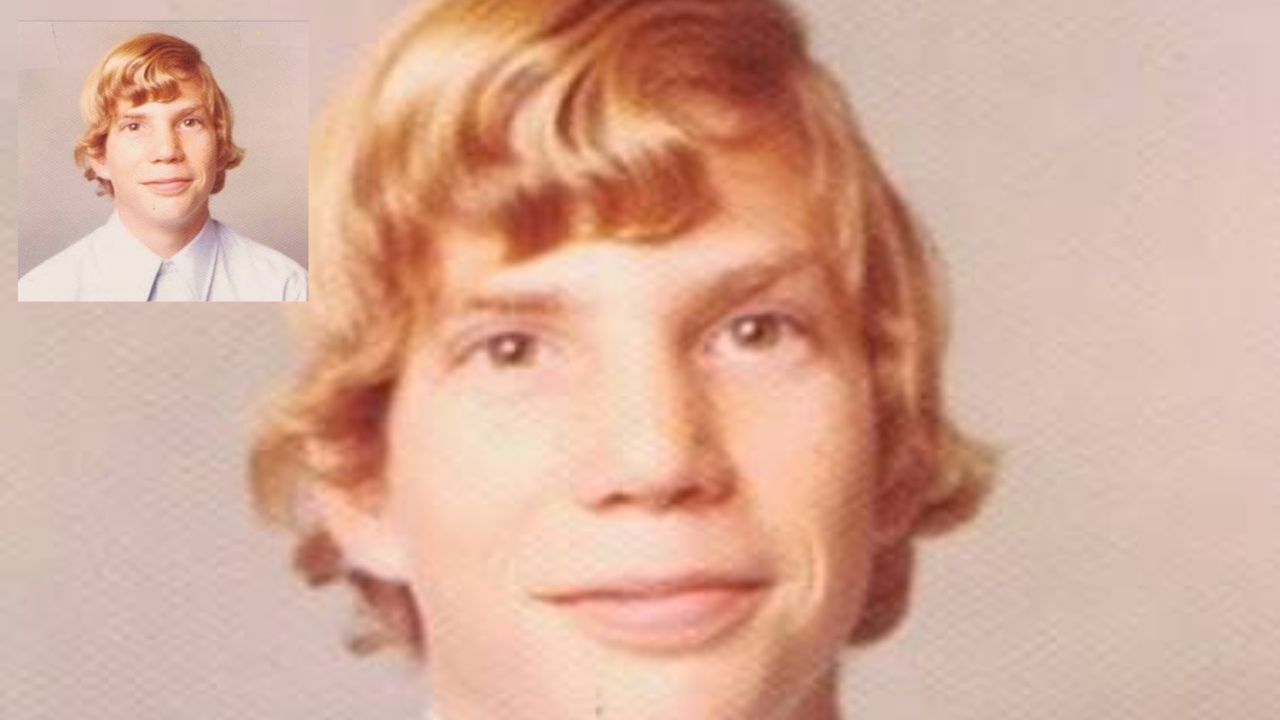
The victim, identified as 18-year-old Mark Alan Smith, died in a devastating crash on June 2, 1978, in Riverside. Investigators were unable to identify him at the time, and despite years of investigative efforts, the case eventually went cold. Advances in DNA technology have now solved the mystery after 47 years.
Deadly 1978 Crash Left One Victim Unidentified
According to the Riverside County Sheriff’s Office, the crash occurred when the driver of a Volkswagen Beetle lost control while traveling westbound on Arlington Avenue. The vehicle crossed the center divider and collided head-on with a sport utility vehicle.
The driver of the Beetle was the only survivor. While authorities quickly identified the other three victims, the teenage passenger remained unknown.
Investigators said the surviving driver told detectives he had met the young man only a day before the crash and knew virtually nothing about him. Family members of the other victims were also unable to identify the teenager.
Cold Case Reopened With Modern DNA Technology
After exhausting every available lead, investigators eventually classified the case as a cold case.
Years later, advances in forensic genetic genealogy gave authorities another opportunity to revisit the investigation. Funding provided through the Bureau of Justice Assistance’s Missing and Unidentified Human Remains Grant Program allowed officials to exhume the victim’s remains for new DNA testing.
The nonprofit organization GenGenies conducted the forensic genetic genealogy analysis, generating investigative leads that ultimately led authorities to identify the victim as Mark Alan Smith.
Officials also credited the Department of Justice’s Missing Persons DNA Program for assisting with the decades-long investigation.
Family Finally Receives Long-Awaited Answers
In a statement released on behalf of Smith’s sister, Pam Bright, and their family, officials said the identification has finally provided the closure they had hoped for since 1978.
“Together, these efforts have finally given Mark Smith’s family the closure they have long awaited,” the family statement said.
Authorities described the identification as a powerful example of how modern forensic science continues to solve decades-old mysteries that once seemed impossible to resolve.
Although the tragedy occurred nearly 50 years ago, officials said the successful identification ensures Mark Alan Smith’s name and story will no longer be forgotten.
What are your thoughts on the growing role of forensic genetic genealogy in solving decades-old cold cases? Share your thoughts respectfully in the comments below.